A member of the AKC Non-Sporting Group, the Shiba Inu is a very old Japanese breed, a smaller cousin to the Japanese Akita. While this breed narrowly escaped extinction during the WWII era, a few of its other cousins are now sadly extinct.
Shiba Inu Appearance
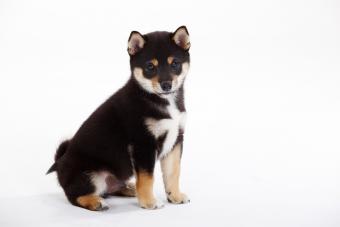
Like the Akita, the Shiba looks similar to the many Spitz type breeds, with a somewhat fox-like appearance and a tail curled up over the back. This dog is best known for its reddish gold color, but the breed also comes in a cream, red sesame, and a black/tan variety. All colors come with a white "urajiro" which is the area on their chest, neck, cheeks and belly.
White Shiba Inu
White Shiba Inus can occur but they are rare and this color is not accepted by the AKC or Nippo, the Japanese breed registry, although it is recognized by the British Kennel Club.
-
Sometimes cream-colored Shiba Inus are referred to as white Shibas but this is not the same as an actual pure white Shiba.
-
The generally accepted standard among breed registries for the Shiba is that cream and white are discouraged because it makes it much harder, or impossible, to distinguish the white urajiro area from the rest of the dog's body.
Shiba Inu Size
"Shiba" means "small" in Japanese although it can also be translated to "brush" which may either refer to the similarity of their coat color to brushwood trees, or that the dogs were bred to hunt in small brush areas.
- The breed stands 16 inches tall on average, with females ranging slightly smaller.
- Most specimens weigh in around 25 pounds, although there is some variance.
- Their sturdy build and small size make them one of the better breeds for families with children who want a smaller pet.
- They also do well in apartments and condominiums.
The Shiba Temperament
Shiba Inu are fearless characters, affectionate to their owners, but somewhat aloof with strangers. They seem to be unaware of their size in the scheme of things and can be a little territorial and possessive by nature.

A "Cat-like" Dog
The typical Shiba Inu cherishes its independence, leading some owners to compare its personality with that of a cat. This breed loves to play and is very quick and agile, making them excellent climbers. They actually seem to have a touch of mountain goat in them.
The "Shiba 500"
Shibas are highly energetic, and owners have a term for the Shiba's own version of puppy zoomies - the "Shiba 500." Shiba owners report that their dogs will run high speed laps around the furniture in the house or will turn the yard into a full-speed racetrack. Shibas will do this behavior to burn off energy although it can also occur as a result of the Shiba feeling anxious.
Shiba Inu Trainability
The Shiba Inu excels in intelligence, likely believing it is a bit wiser than its owners, so it is important to put in the necessary time training them while still young. This dog was originally bred for hunting, so training them for this activity should come naturally, but there is a problem. Because of its size and coloration, they may be mistaken for a red fox out in the field and is at risk of being shot by hunters.
Shiba Inus and Dog Sports
Because this breed has so much energy, agility training is a perfect way to put their talents to the test. This breed is also perfectly capable of obedience training if you start training them from an early age.
Housetraining and Shiba Inus
Housebreaking comes with ease for this breed too. These dogs are fastidiously clean and are loath to soil their own nest; in other words, your home.
Grooming Tips for the Shiba Inu
These are fantastically clean dogs, so grooming needs will be minimal for most individuals. A Shiba Inu coat is short, coarse and naturally waterproof, so there is little need for regular bathing. They should be brushed once a week although you may need to brush them more often during shedding season.
Shiba Inu Shedding
There is one grooming drawback to the Shiba Inu - shedding, also known as blowing coat.
- They have a thick undercoat that can protect them from temperatures well below freezing.
- Shedding is heaviest during the seasonal change, but brushing should be performed on a daily basis whenever possible.
- During the shedding season, which some owners swear is from January to December, it is highly recommended to use a comb to remove as much dead hair as possible.
- There are also doggie brush and vacuum combos that suck up the loose hair as you brush, very convenient if you can get one.
Shiba Inu Health Concerns
The good news is Shibas are a hardy breed and most will enjoy relatively undisturbed good health for the length of their lives, which can frequently be as long as fifteen years. However, there are a few conditions that have crept into the breed, though incidences remain low. These include:
- Canine Hip Dysplasia, a degenerative malformation of the hip joints.
- Luxating Patellas, also known as slipping kneecaps, which can lead to lameness.
- Progressive Retinal Atrophy, a degenerative disease of the eyes.
Cost for a Shiba Inu Puppy
Shiba Inu puppies can range in price from $1,400 to $2,200 from a breeder for a pet quality dog. If you're looking for a show quality dog, expect to pay from $2,000 to $3,500.
The Shiba Is Not for Everyone
While the Shiba Inu breed is a magnificent animal to behold, they are not for everyone. They love to explore and it is not unusual for an off-leash Shiba to wander off and forget its way home. They can be quite strong-willed, to the point you will swear they only understand their native Japanese language. On the other hand, they can also be gentle and tolerant toward children and often make great parents to family cats. And, just like cats, when they want to play, they are a blast, but when they want time to themselves, there is little you can do to make them sociable.